About this trek
Our most loved multi-day trek. Three days, two nights, three different ethnic villages — a journey that lets the rhythm of the valley settle into you.
Trek highlights
Detailed itinerary
Day 1
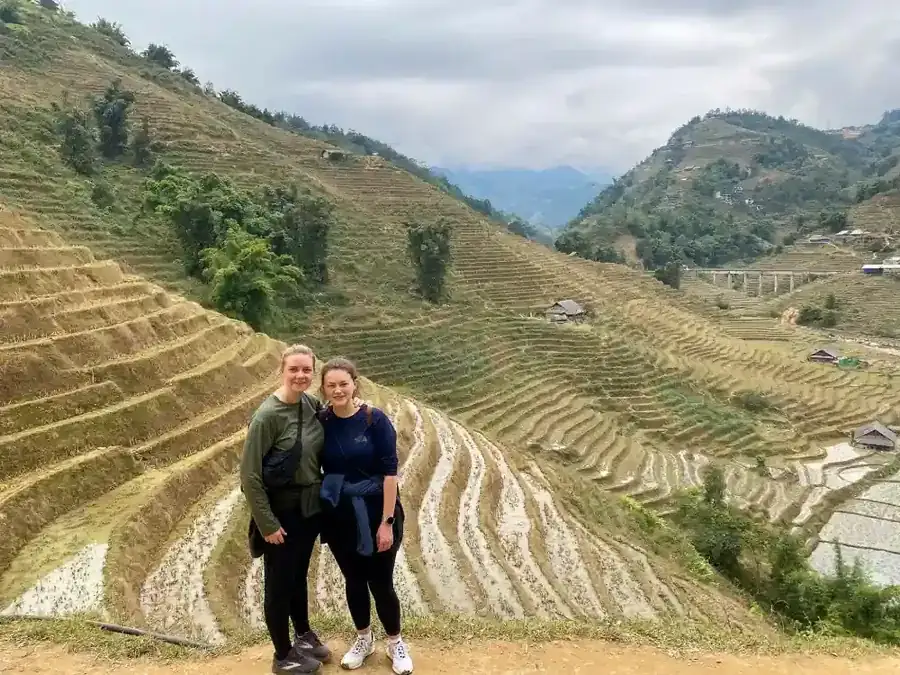
Sapa Town → Lao Chai → Ta Van Village — begin your three-day Sapa trekking journey with your local guide from Sapa Town as you descend into the spectacular landscapes of Muong Hoa Valley. Walk along mountain trails winding through layered rice terraces, quiet hillsides, and traditional villages surrounded by some of the most iconic scenery in Northern Vietnam. The first day of the trek takes you through Lao Chai, one of the best-known Black Hmong villages in Muong Hoa Valley, where your guide shares insight into local farming traditions, family life, and everyday life in the mountains throughout the seasons. Along the trail, pass water buffalo, hillside farms, and wooden homes shaped by generations of mountain living. Continue trekking toward Ta Van Village along peaceful riverside paths lined with bamboo groves and terraced rice fields. Home to the Giay ethnic community, Ta Van offers a quieter atmosphere deeper in the valley beyond the busier areas closer to Sapa Town. In the evening, arrive at your local homestay and experience the warmth of Giay hospitality. Share a home-cooked dinner with your host family and spend the night surrounded by the peaceful landscapes of Muong Hoa Valley.
Day 2
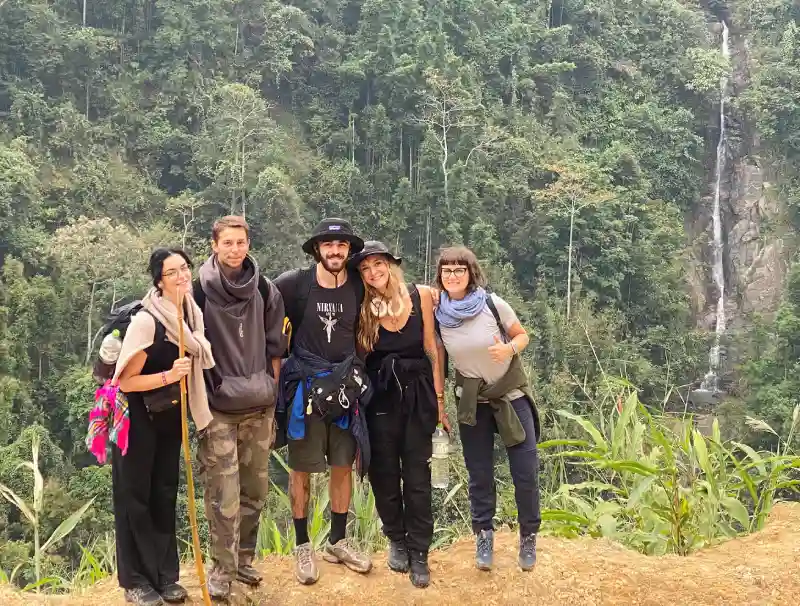
Ta Van → Giang Ta Chai → Ban Ho Village — after breakfast with your host family, continue trekking deeper into the mountains toward Giang Ta Chai, a Red Dao village known for its forest trails, suspension bridges, waterfalls, and quieter mountain scenery. This section of the trek moves away from the more visited trekking routes and into landscapes where village life continues slowly among rivers, bamboo forests, and rice terraces. Along the way, your guide introduces more about Red Dao traditions, local herbal knowledge, and everyday life in the mountain communities surrounding Sapa. The trail gradually leads toward Ban Ho, a peaceful Tay village beside the river in one of the greenest valleys in the region. Compared with the higher mountain villages, Ban Ho offers a quieter and greener atmosphere with stilt houses, riverside farmland, and a warmer low-valley climate. Spend the evening with a Tay family in a traditional riverside homestay. Enjoy a home-cooked dinner, relax beside the river, and experience a quieter side of Sapa far beyond the main tourist routes.
Day 3
Ban Ho → Nam Toong → Thanh Phu → Return to Sapa — wake to the sounds of village life beside the river before continuing your final day of trekking through the valleys surrounding Ban Ho. The trail climbs gradually toward Nam Toong, a small Red Dao village surrounded by forested hills and terraced rice fields rarely visited by large tour groups. Continue trekking toward Thanh Phu through quiet mountain scenery, passing local farms, streams, bamboo groves, and traditional village houses along the way. This final section of the journey offers one last deeper look into the landscapes and communities that make trekking in Sapa so unique. After lunch in Thanh Phu, meet your driver for the scenic return journey back to Sapa Town.
What's included
- Experienced English-speaking local guide
- Entrance fees to ethnic villages
- Bottled water during the trek
- Local meals as listed in itinerary
- 2 nights homestay accommodation
Not included
- Personal expenses and tips
- Travel insurance
- Drinks not mentioned in the itinerary
- Transport to and from Sapa
Packing recommendations
Cultural etiquette
- Always ask before photographing villagers
- Dress modestly when entering homes
- Remove shoes inside traditional houses
- Buy directly from artisans to support families
Your local guide
Led by H'mong, Dao or Tay guides who grew up on these trails. Every guide speaks English and knows the families, the seasons and the quiet routes most travelers never find.
Frequently asked
Can luggage be transferred between homestays?+
Yes — main luggage stays in Sapa, you trek with a daypack only.